


University of Washington
Study Abroad


A 10-week, in-person global health research + fieldwork study abroad program in rural Uganda open to undergrads and graduate students running Spring 2027 through University of Washington.
-
Students have the opportunity to contribute as co-authors in peer-
reviewed publications - authorship per ICMJE criteria -
Work in mixed Ugandan + U.S. teams on a community-engaged research
project -
Experiential training in global health research methods + implementation
science -
All-inclusive in-country experience with full program support (housing,
meals, security, transport)
Academic Leadership: Yang Jae Lee, MD (Principal Investigator; University of
Washington)
Robert Rosenheck, MD (Co-Principal Investigator; Yale University)
Program Leadership: Sophie Waimon (University of Washington)
Kazungu Rauben (Empower Through Health)
Evidence: Program evaluation published in SSM–Mental Health

WhEn
Spring Quarter 2027
3/29/27 - 6/7/2027
Application
Apply through UW
Deadline: 11/15/2026
Credit
Earn 15 UW Credits
Course PBSCI 499: Independent Research
Cost
Visit UW Study Abroad for full list of fees, estimated cost, financial aid and more!
Program Description
Adapted from Global Health Experiential Fellowship, The Medicine Uganda: Global Health Research from Fieldwork to Manuscript is an immersive, spring quarter study abroad experience through the University of Washington School of Medicine. Open to undergraduate and graduate students from any discipline, the program offers an unusual opportunity to become an active member of a highly productive global health research team under the mentorship of Dr. Yang Jae Lee (UW) and Dr. Robert Rosenheck (Yale), while living and working in rural Uganda.
Students receive close mentorship throughout the research process and learn how to carry a project through the full life cycle of research - from developing a question and designing a study to collecting and analyzing data, interpreting findings, writing a manuscript, and presenting at conferences. Students who successfully complete their research responsibilities are expected to qualify for co-authorship on a peer-reviewed publication. For students considering careers in medicine, public health, research, or academia, the program provides the opportunity not only to learn about research, but to help produce it.
Students are based in Buyende District in eastern Uganda, where they live and work in close partnership with Ugandan peers. This model of equitable learning is central to the program: research teams bring together local knowledge, lived experience, and academic training, allowing students to learn from one another while addressing questions grounded in the priorities and realities of the communities in which they are working. The rural setting creates an exceptional learning environment for understanding how public health intersects with poverty, education, stigma, and access to care in everyday life.
Coursework combines seminars, stakeholder engagement, mixed-methods fieldwork, clinical observerships at regional hospitals, and guided work on data analysis and manuscript development. Shared accommodations, daily interaction with Ugandan peers, and excursions to Kampala, Jinja, Mbale, and Murchison Falls National Park deepen students’ understanding of Uganda’s health systems, culture, and history.
Students gain far more than a traditional study abroad experience: substantive research experience, intensive faculty mentorship, close cross-cultural partnerships, peer-reviewed publication authorship, and the skills to take global health research from an initial idea through dissemination.
Applications for 2027 Spring Medicine Uganda: Global Health Research from Fieldwork to Manuscript are Open!
Watch Stories for a Taste of Daily Life in Uganda
See real moments from the Global Health Experiential Fellowship through our @empowerthroughhealth Instagram Stories — featuring daily life, fieldwork, and trips


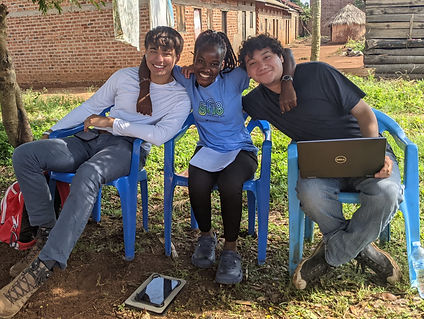
Equity and Skill-Building
Medicine Uganda Study Abroad is designed to be skill-building, not service tourism. Students work in mixed Ugandan + U.S. teams with shared mentorship and contribute to community-engaged projects that are locally grounded.
What equity looks like in practice
-
Mixed teams with Ugandan and U.S.-based students and trainees
-
Uganda-based program staff involved in project leadership and day-to-day mentorship
-
Community-engaged research aligned with local priorities and long-term partnerships
Scholarly outputs
Based on historical program data, we expect majority of students will have an opportunity to earn co-authorship on peer-reviewed publications from their research projects. Authorship follows ICMJE criteria.